
The cultural influence of casinos on modern society
The cultural influence of casinos on modern society
Historical Overview of Casinos
Casinos have a long and storied history, tracing their origins back to ancient civilizations that engaged in games of chance. Initially, these establishments were simple venues for gambling, often found in public squares or taverns. Over centuries, the growth of the casino industry mirrored societal changes, evolving from clandestine gatherings to glamorous resorts that attract millions worldwide. This historical transformation highlights not only the popularity of gambling but also its deep-rooted connection to social interaction and entertainment, making it easy to see why you might be tempted to visit a non gamstop casino.
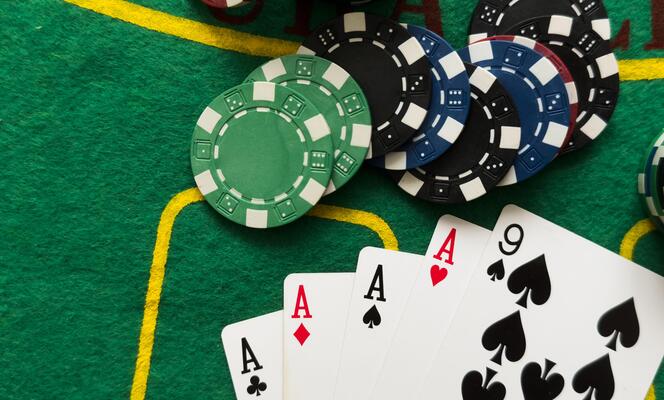
As societies advanced, casinos began to take on a more structured and formalized role. The establishment of Monte Carlo in the 19th century marked a significant turning point, setting standards for luxury and sophistication. This progression reflects broader cultural trends, with gambling evolving into a form of leisure that appeals to various demographics. Today, casinos serve as microcosms of society, showcasing both the allure of risk and the complexities of human behavior.
Casinos as Social Spaces
In modern society, casinos function as more than just venues for gambling; they are social hubs that foster interaction among diverse groups of people. Patrons often visit casinos not only to try their luck but also to enjoy the vibrant atmosphere, dine at upscale restaurants, and attend entertainment events. This multifaceted experience has transformed casinos into essential social spaces where friendships are forged, and communal experiences are shared.
The cultural significance of casinos is further enhanced by their ability to create a sense of belonging. Regular visitors often develop a community around their shared interests in games and entertainment. This phenomenon transcends socioeconomic barriers, uniting people from different backgrounds. The social dynamics within casinos reveal much about human nature, including the need for connection and shared experiences in an increasingly digital world.
The Economic Impact of Casinos
Casinos have become vital components of local and national economies, generating substantial revenue through gaming taxes and tourism. The influx of visitors to casino resorts has profound implications for job creation, with thousands employed in various roles from hospitality to security. This economic boost can lead to enhanced public services and infrastructure, benefiting the broader community.
Moreover, the financial success of casinos often spurs investment in surrounding areas. Businesses such as hotels, restaurants, and retail shops flourish due to increased foot traffic from casino-goers. However, this economic growth is accompanied by challenges, including issues of gambling addiction and social responsibility. Balancing the economic benefits with potential societal costs remains a critical conversation in the context of casino culture.
Casinos in Popular Culture
The influence of casinos extends into popular culture, shaping art, literature, and cinema. From classic films like „Casino Royale” to contemporary television series showcasing high-stakes poker, the allure of gambling captivates audiences. These representations often reflect society’s complex relationship with risk-taking and fortune, highlighting themes of ambition, greed, and the unpredictable nature of life.
Furthermore, casinos have inspired various art forms, including music and visual arts. Artists frequently draw on the imagery of casinos to explore themes of chance and fate. This cultural intertwining underscores the casino’s role as a symbol of excitement and aspiration, illustrating how gambling permeates societal narratives and influences collective consciousness.

Conclusion: The Casino’s Role in Contemporary Society
In conclusion, the cultural influence of casinos on modern society is profound and multifaceted. They serve as social spaces, economic powerhouses, and cultural symbols that reflect our collective desires and challenges. As gambling continues to evolve, the role of casinos will likely adapt to changing societal norms and technological advancements.
Understanding this influence is crucial for addressing the complexities associated with gambling, including its potential drawbacks. Engaging with the cultural dimensions of casinos encourages a deeper appreciation for their impact on society, inviting thoughtful discussions about their future in an ever-evolving landscape.